Die Sandwichinseln wurde um die 1820 für den Handel zwischen den USA und Asien ein sehr wichtiger Standort inmitten des weiten Pazifiks, nicht nur um die Schiffe mit frischem Wasser und Proviant auf zu laden sondern auch für den stetig wachsenden Walfang. Mehr und mehr amerikanische Schiffe kamen zu den Sandwichinseln, welches auch mehr und mehr Schiffsmeuterer auf die Inseln brachte.
Um die aktuellen Ereignisse zu berichten sowie die allgemeine Überwachung des amerikanischen Interesses auf den Inseln zu übernehmen, entsandten die USA am 19. Sept. 1820 Herr John C. Jones als „Agent der Vereinigten Staaten für Handel und Seeleute“.
John C. Johns meldet paar Jahre später, dass Deserteure von amerikanischen Schiffen auf den Inseln sehr viel Ärger bereiten. Ein Konflikt zwischen den Einheimischen, Missionaren und den alkoholsierten Seeleuten ist ausgebrochen.
Aufgrund dieser Nachricht, sowie der Begleichung amerikanischer Handelsschulden, welche durch einheimische Häuptlinge verursacht wurden, wurde im Mai 1825 der Kommodore Hull von der US-Marine, der damals das Pazifikgeschwader in Callao (Peru)
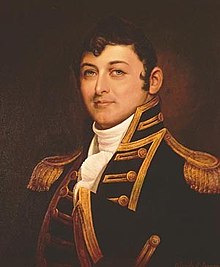
befehligte, informiert welcher dann Thomas ap Catesby Jones, Kommandeur der U. S. S. Peacock angewiesen und befehligt hatte, im Folgejahr nach Honolulu zu einer freundschaftlichen Inspektion zu fahren. Er solle sich ein Bild der Meuterer machen sowie bestimmte Ansprüche der dort ansässigen amerikanischen Bürger zu regulieren, wie die Eintreibung der Schulden. Kapitän Jones konnte die Situation erfolgreich bei seinem Besuch in Honolulu lösen. Mit der Königin Kaʻahumanu und nicht mit ihrem 22jährigen Sohn Liholiho, der den Namen Kamehameha II annahm, verhandelte Thomas ap Catesby Jones einen Freundschaft, Handel und Schifffahrt Vertrag aus, der am 23. Dezember 1826 unterzeichnet wurde. Dieses war der erste Vertrag, den die Hawaiianer offiziell mit einer ausländischen Macht ausgehandelt hatten, obwohl dieser Vertrag von der hawaiianischen Regierung nie ratifiziert wurde.
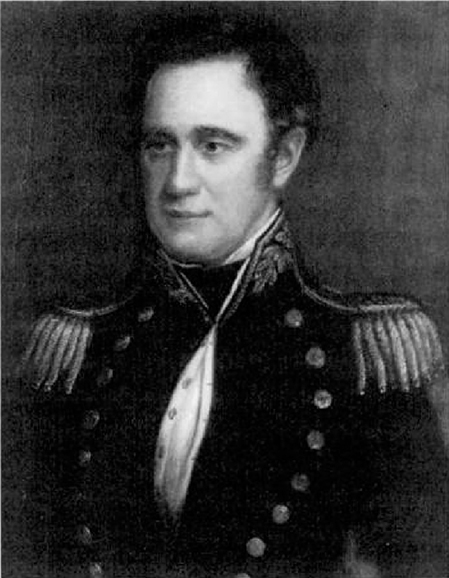
Dieses Dokument war zudem ein Freihandelsabkommen mit dem Recht der Amerikaner, alle Häfen anzusteuern und Handel zu treiben. Außerdem waren Amerikaner ermächtigt, an hawaiischen Gerichten zu klagen und wurden durch hawaiische Gesetze geschützt. Hawaii bezahlte die Handelsschuld von $150‘000, welches im heutigen Wert von $4’672’980 (Stand 2024) entspricht, mit Sandelholz ab.
The Treaty of 1826
Articles of Arrangement with the King of the Sandwich Islands (Hawaii), signed at Honolulu December 23, 1826.
Articles of arrangement made and concluded at Oahu between Thomas ap Catesby Jones appointed by the United States, of the one part, and Kauikeaouli King of the Sandwich Islands, and his Guardians, on the other part.
|
Articles of arrangement made and con-cluded at Oahu between Thomas ap Catesby Jones appointed by the United States, of the one part, and Kauikeaouli King of the Sandwich Islands, and his Guardians, on the other part. |
Na olelo keia i hooponoponoia’i a i hoopaaia’i i Oahu nei e Thomas ap Catesby Jones, kekahi, ko Amerika luna i hoounaia mai nei mai ka United States mai, a me ke alii o ko Hawaii nei pae aina o Kauikeaouli o laua me kona kahu, kekahi. |
| ART: 1st
The peace and friendship subsisting between the United States, and their Majesties, the Queen Regent, and Kaiu- kiaouli, King of the Sandwich Islands, and their subjects and people, are hereby confirmed, and declared to be perpetual. |
PAUKU 1.
Eia kekahi olelo, ke olelo pu nei kakou e hoopaa loa i ke kuikahi pu ana a me ke aloha pu ana o ko Amerika a me ko Hawaii kahu alii wahine a me ke alii nui o Hawaii nei o Kauikeaouli a me ko laua poe kanaka a me na makaainana a pau loa; eai ka hoailona e mau loa ai ua kuikahi nei. |
|
| ART: 2nd
The ships and vessels of the United States (as well as their Consuls and all |
PAUKU 2.
Eia hou neia, a o ko Amerika poe moku mai a me ko laila Kanikele a me ko laila kanaka ma keia pae aina a me ko lakou waiwai a i hiki i ka wa kaua, e pau ia mau mea i ka malama pono ia e ko Hawaii nei i ko Amerika enemi a pau loa. |
|
| ART: 3rd
The contracting parties being desirous to avail themselves of the bounties of Divine Providence, by promoting the commercial intercourse and friendship subsisting between the respective nations, for the better security of these desirable objects, Their Majesties bind themselves to receive into their Ports and Harbours all ships and vessels of the United States; and to protect, to the uttermost of their capacity, all such ships and vessels, their cargoes, officers and crews, so long as they shall behave themselves peacefully, and not infringe the established laws of the land, the citizens of the United States being permitted to trade freely with the people of the Sandwich Islands. |
PAUKU 3.
Eia hou neia, e makemakeana keia mau poe e loaa mai ia lakou ka waiwai a ke Akua i haawi mai aiika hookuai pu ana a me ke aloha pu ana o na aina o ka poe nana keia olelo, no laila hoi, no ka paa pono ana o keia mau mea mahalo, e ae mai ua mai alii o Hawaii nei e pono ia laua e komo no i loko o ko laua awa a me ko laua mau wahi e ku ai ka moku, 0 na moku Amerika a pau, a e malama nui aku i ua mau moku la a me na ukana ma luna a me na alii a me na kanaka o ua mau moku la oi hana pono mai lakou a i haki ole ia lakou na kanawai o keia aina 1 kau ai, e kuai no hoi ko Amerika me ko Hawaii nei poe kanaka. |
|
| ART: 4th
Their Majesties do further agree to extend the fullest protection, within their control, to all ships and vessels of the United States which may be wrecked on their shores; and to render every assistance in their power to save the wreck and her apparel and cargo; and as a reward for the assistance and protection which the people of the Sandwich Islands shall afford to all such distressed vessels of the United States, they shall be entitled to a salvage, or a portion of the property so saved; but such salvage shall, in no case, exceed one third of the value saved; which valuation is to be fixed by a commission of disinterested persons who shall be chosen equally by the Parties. |
PAUKU 4.
Eia hou neia ke olelo io nei ua mau alii nei e malama nui laua i ko Amerika poe moku ke ili mai ma ko laua pae aina e hooikaika pono aku laua i pakele ai ka moku ili a mekana mau mea a pau a me kona ukana. He pono no e loaa mai i ko Hawaii nei poe ka uku no ko lakou hooikaika ana i pakele ai ua moku ili la a i malama pono ia ai ka mau mea ana. Eia ka uku, he mau kala paha, a i ole ia, o kekahi puu o ka waiwai i hoopakele ia ai, ka uku. Ina e kolu puu waiwai ua like, hookahi puu paha ka uku aka aole loa e nui aku ko lakou uku i kekahi oua puu waiwai akolu la. A o ka mea nona ka moku a o ka poe i hoopakeleia ai ka waiwai e kuhikuhi pu lakou i kekahi mau kanaka e aole no lakou ka waiwai na lakou hoi e hoike mai i ka nui o ka waiwai i malama ia ai. |
|
| ART: 5th
Citizens of the United States, whether resident or transient, engaged in com- merce, or trading to the Sandwich Islands, shall be inviolably protected in their lawful pursuits; and shall be allowed to sue for, and recover, by judgment, all claims against the subjects of His Majesty The King, according to strict principles of equity, and the acknowledged practice of civilized nations. |
PAUKU 5.
A o ko Amerika poe kanaka e kuai ana ma ko Hawaii nei pae aina, ka poe e noho ana, a me ka poe e holoholo ana, e pau lakou i ka malama pono ia i ka lakou hana ana i ka mea i ku i ke kanawai. A he pono no lakou e hoopaa i ka poe lawehala ma ke kanawai, a ma ka ahaolelo e loaa mai ai ia lakou ka uku e pau ai ka aie pono a pau a na kanaka o ko Hawaii nei alii e like ai me ke kanawai pololei a me ka oihana a ka aina naau ao i ikea ai. |
|
| ART: 6th
Their majesties do further agree and bind themselves to discountenance and use all practicable means to prevent desertion from all American ships which visit the Sandwich Islands; and to that end it shall be made the duty of all Governors, Magistrates, Cheifs of Districts, and all others in authority, to apprehend all deserters ; and to deliver them over to the master of the vessel from which they have deserted ; and for the apprehension of every such deserter, who shall be delivered over as aforesaid, the master, owner, or agent, shall pay to the person or persons apprehending such deserter, the sum of six Dollars, if taken on the side of the Island near which the vessel is anchored; but if taken on the opposite side of the Island, the sum shall be twelve Dollars; and if taken on any other Island, the reward shall be twenty four Dollars, and shall be a just charge against the wages of every such deserter. |
PAUKU 6.
Eia hou neia, ke olelo io nei kealii nui laua o kona kahu i ka olelo i paa ai laua i ka hooikaika aku laua e pau ai ka mahuka ana mai o na kanaka o ko Amerika mau moku e hiki mai ana i ko Hawaii nei pae aina e alai aku no i ka mahuka ana mai. No ia mea he pono no na alii malama aina a me na kilo a me na kia-aina a me na kau alii a pau e hopu aku a paa ka poe mahuka a pau a e hoihoi aku i ka mea nona ka moku i haalele ia aku ai. A e uku ia mai ko onei poe i hopu aku e ka mea nona ka moku. Ina ma ka aoao o ka aina e kuai ka moku e paa ai ka mea i mahuka e ono kala ka uku. A ina ma kela aoao o ka aina e paa ai umi a me kumamalua kala ka uku—a ina ma ka aina e i moku i ke kai e paa ai a i hoihoi i kona moku, iwa kalua kala a me kumamaha ka uku, no loko pono keia uku o ka waiwai a ka mea mahuka i hoolimalimaia’i, ma laila e kau pono ia’i. |
|
| ART: 7th
No tonnage dues or impost shall be exacted of any Citizen of the United States which is not paid by the Citizens or subjects of the nation most favoured in commerce with the Sandwich Islands; and the citizens or subjects of the Sandwich Islands shall be allowed to trade with the United States, and her territories, upon principles of equal advantage with the most favoured nation. |
PAUKU 7.
Eia hou neia; aole e oi aku ka uku mai no ka awa o ko Amerika poe kanaka i ko ka aina punahele kanaka e kuai ana ma ko Hawaii pae aina, aole kii hou ia aku ka uku nui ae o ko Amerika kanaka. A e kuai no ko Hawaii nei poe kanaka me ko Amerika e like ka oihana a me ka pono e pono ai ko ka aina punahele loa i ka kuai pu ana mai me ko Hawaii nei pae aina. |
|
|
Done in council at Honolulu; Island of Woahoo, this 23 rd day of December in the year of our Lord 1826 |
Ua hoopaaia i ka ahaolelo ma Honolulu i ka aina Oahu nei i keia la 23 o Detemaba i ka makahiki o ko kakou Haku 1826. |
|
THOS. AP CATESBY JONES [Seal] |
THOS. AP CATESBY JONES [Seal] |
The signatories:
THOS. AP CATESBY JONES
 Thomas ap Catesby Jones (born April 24, 1790 in Westmoreland County, Virginia; † May 30, 1858 in Fairfax County, Virginia) was an American naval officer. He fought in the Battle of Lake Borgne during the British-American War.
In 1826 he signed with King Kamehameha III. of Hawaiʻi a treaty. On October 19, 1842, believing that war with Mexico had broken out, he occupied Monterey, California, but withdrew on October 20 after reports to the contrary. Commodore Jones commanded the Pacific Squadron from 1841 to 1844 and from 1848 to 1850. Thomas ap Catesby Jones (24 April 1790 – 30 May 1858) was an American naval officer who served during the War of 1812 and the Mexican–American War.
ELISABETA KAAHUMANU
 Kaʻahumanu (March 17, 1768 – June 5, 1832) („the feathered mantle“) was queen consort and acted as regent of the Kingdom of Hawaiʻi as Kuhina Nui. She was the favorite wife of King Kamehameha I and also the most politically powerful, and continued to wield considerable power as co-ruler in the kingdom during reigns of his first two successors.
KARAIMOKU
 William Pitt Kalanimoku or Kalaimoku (c. 1768 – February 7, 1827) was a High Chief who functioned similarly to a prime minister of the Hawaiian Kingdom during the reigns of Kamehameha I, Kamehameha II and the beginning of the reign of Kamehameha III. He was called The Iron Cable of Hawaiʻi because of his abilities.
POKI
 Boki (sometimes Poki, born Kamāʻuleʻule) (before 1785–after December 1829) was a High Chief in the ancient Hawaiian tradition and served the Kingdom of Hawaii as royal governor of the island of Oahu. Boki ran a mercantile and shipping business and encouraged the Hawaiians to gather sandalwood for trade.
HOWAPILI
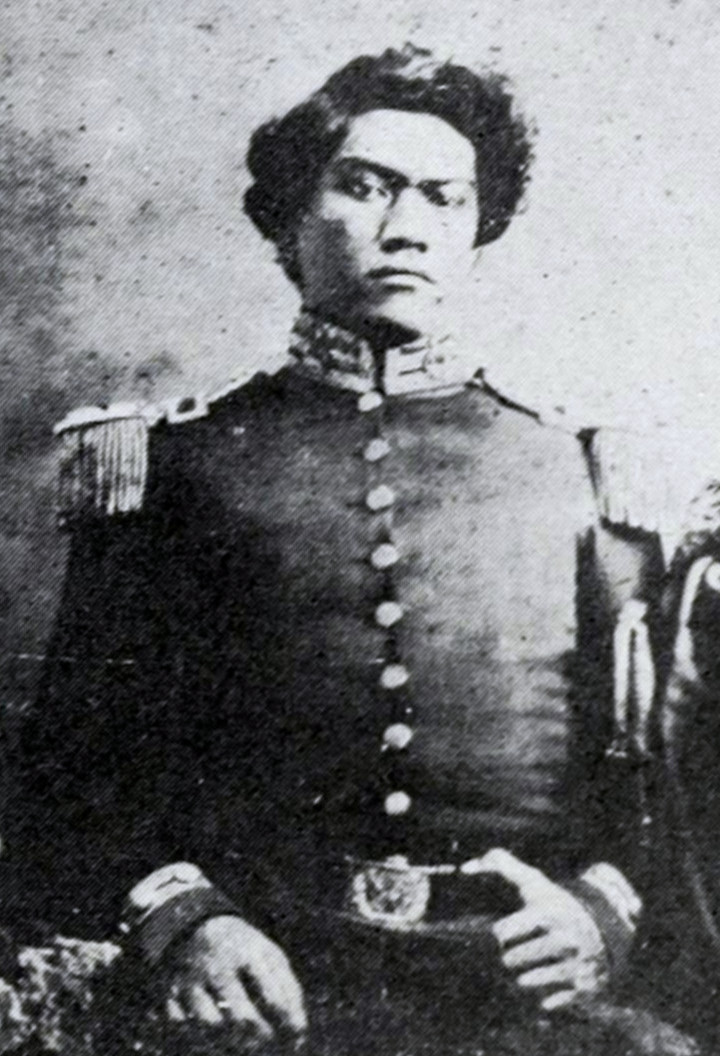 Ulumāheihei Hoapili (c. 1775 – January 3, 1840) was a member of the nobility during the formation of the Kingdom of Hawaii. He was a trusted military and political advisor to King Kamehameha I, known as „Kamehameha the Great“. Although trusted with one of the last symbolic rites of the Hawaiian religion, he later became a supporter of Christian missionaries.
LIDIA NAMAHANA
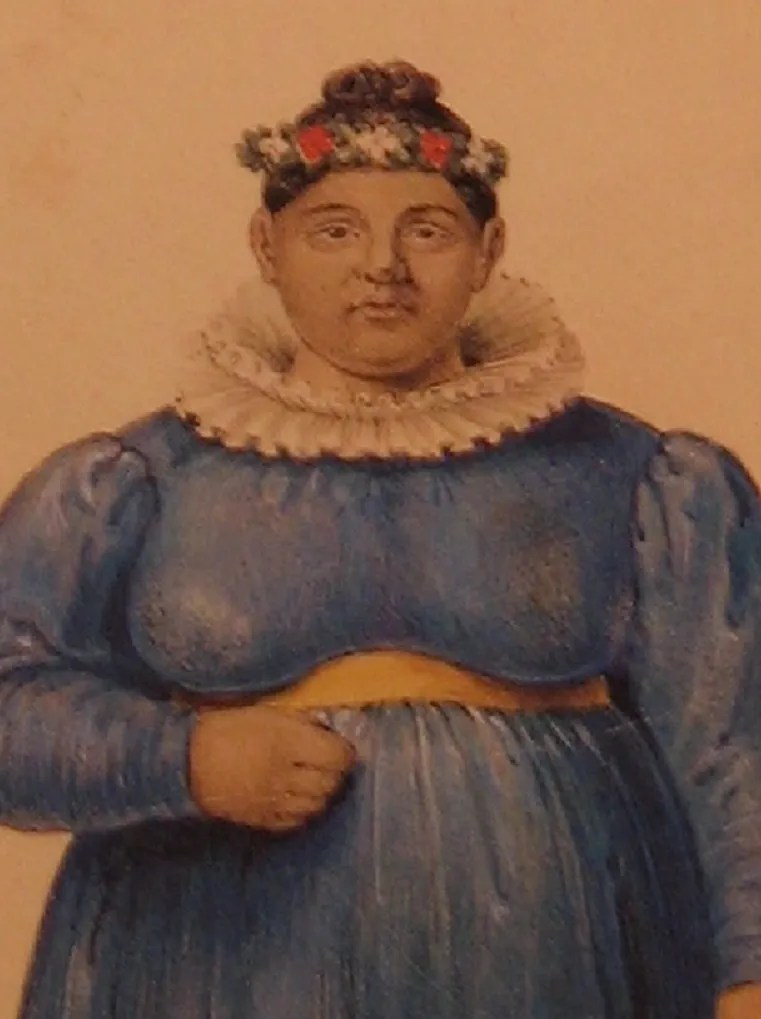 Lydia Nāmāhāna Kekuaipiʻia (c. 1787 – 1829) was a wife of King Kamehameha I of Hawaii. She was the daughter of Keʻeaumoku Pāpaʻiahiahi, and her sisters of Queen Kaʻahumanu and Kalākua Kaheiheimālie were also Kamehameha’s wives. Kamehameha and Kaʻahumanu later arranged Piʻia to marry Gideon Peleioholani Laʻanui, who was ten years her junior. They were married by Hiram Bingham I in a Christian ceremony. Nāmāhāna Piʻia also served as Governor of Oahu.
The Friendship Treaty 1826 – Digital Archiv of Hawai’i
Take your time to read it.
More Background knowledge
 Tales of Hawai'i